
Buyers Have More Room to Negotiate Right Now
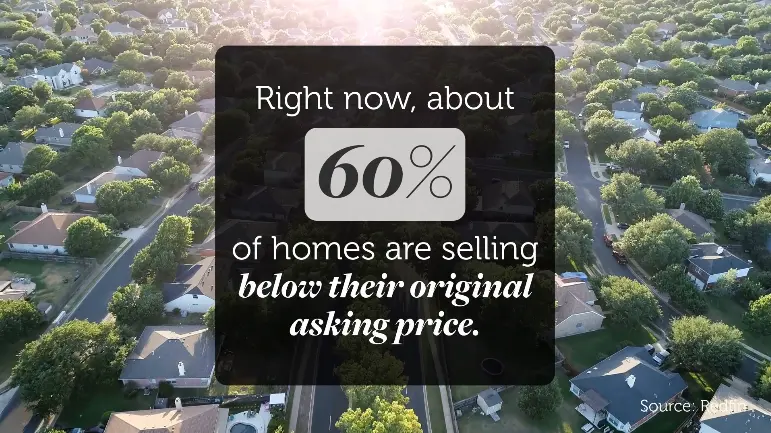
For buyers who have been waiting for the right opportunity to purchase a home, there’s some encouraging news: you may have more negotiating power than you did a few years ago.
The housing market has changed. During the peak of the pandemic-era housing boom, buyers often had to compete against multiple offers, waive contingencies, and make aggressive bids just to have a chance at getting a home.
Today, the environment is different in many markets.
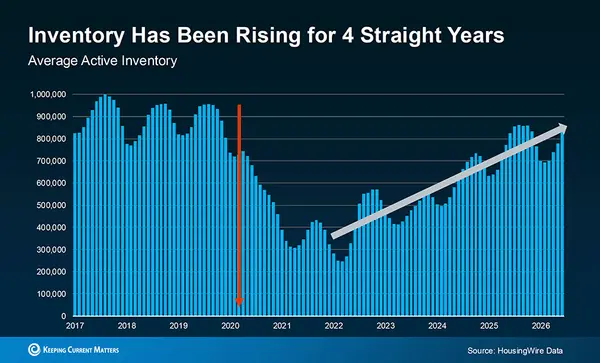
More homes are available, competition has eased in some areas, and sellers may be more willing to negotiate. That doesn’t mean buyers suddenly have all the leverage—but it does mean there can be more opportunities to structure a deal that works in your favor.
 More Inventory Can Mean More Negotiating Power
One of the biggest factors influencing negotiations is inventory.
When there are very few homes available and lots of buyers competing for them, sellers typically have the upper hand. Buyers may need to make their strongest offer immediately because another buyer could come along at any moment.
But when more homes are available, buyers have choices.
That changes the conversation.
Instead of feeling like you have to make an offer immediately or risk losing the house, you may have the opportunity to take a closer look, compare properties, and negotiate terms.
A more balanced market can also mean homes remain on the market longer and sellers become more open to concessions such as price adjustments, closing-cost assistance, repairs, or other terms.
Negotiating Doesn't Always Mean Asking for a Lower Price
When people hear that buyers have more negotiating power, they often assume that means simply offering less than the asking price.
That's only one part of the equation.
A strong negotiation strategy looks at the entire transaction, not just the purchase price.
Depending on the circumstances, a buyer might negotiate:
-
The purchase price
-
Seller-paid closing costs
-
Inspection-related repairs
-
Repair credits
-
A home warranty
-
The closing date
-
Personal property or appliances
-
Other terms and contingencies
For example, a seller might be unwilling to reduce the price by $10,000 but may be willing to contribute toward the buyer's closing costs. In another situation, the seller may prefer a higher offer price but agree to make certain repairs.
The best deal isn't necessarily the home with the lowest purchase price. It's the deal that best fits the buyer's overall financial and personal goals.
 Don't Assume Every Market Is the Same
This is one of the most important points for today's buyers.
Real estate is local.
National housing headlines can provide useful context, but they don't tell you exactly what's happening in your neighborhood.
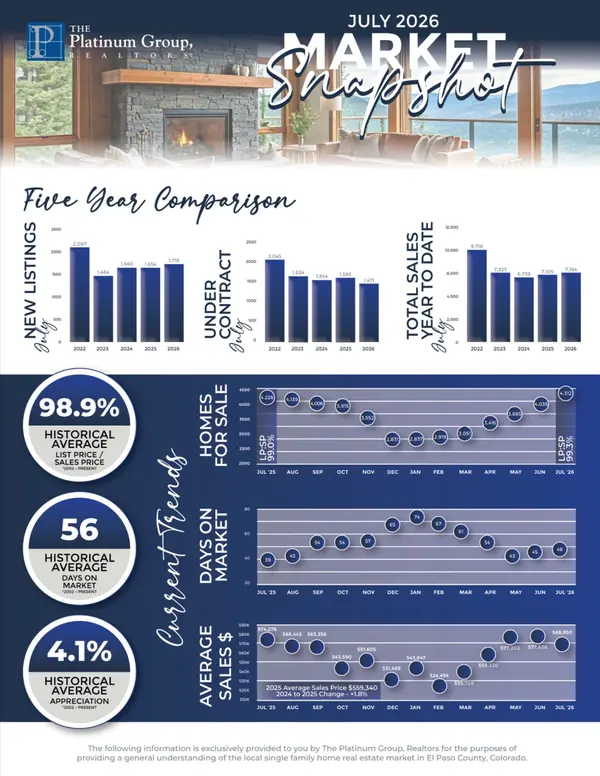
Some markets may have a significant amount of inventory and give buyers considerable negotiating room. Others may still have limited inventory and strong demand, giving sellers more leverage.
Even within the same city, conditions can vary from neighborhood to neighborhood and from one price range to another.
That's why it's important to look at local data such as:
-
How many homes are currently for sale
-
How quickly homes are selling
-
The average number of days homes are staying on the market
-
How often sellers are reducing their asking prices
-
Whether homes are receiving multiple offers
-
Recent comparable sales
-
The difference between asking prices and final sales prices
These details can help determine how aggressive—or conservative—a buyer should be when making an offer.
Sellers Are Negotiating Too
A changing market doesn't mean sellers are simply accepting whatever buyers offer.
Many sellers still have significant equity in their homes, and some may have a specific price they need to achieve in order to make their next move possible.
That's why negotiations work best when they're based on the circumstances of the particular property.
A home that has been sitting on the market for several weeks without an offer may present a very different opportunity than a home that just came on the market and already has multiple interested buyers.
The key is understanding where the leverage actually exists.
Today's Market Could Create Opportunities for Prepared Buyers
More negotiating room doesn't eliminate the need to be prepared.
In fact, preparation may be more important than ever.
Before you start making offers, know your budget, understand your financing, and determine what you're comfortable paying. Get pre-approved for your mortgage, understand your estimated monthly payment, and leave room in your budget for closing costs, moving expenses, maintenance, and unexpected repairs.
Then, when the right property comes along, you'll be in a position to negotiate from a place of confidence rather than emotion.
The Bottom Line
The housing market isn't what it was a few years ago—and that's not necessarily bad news for buyers.
In many markets, increased inventory and less intense competition are creating more opportunities to negotiate. Buyers may have more choices, more time to evaluate properties, and more flexibility when putting together an offer.
But more negotiating power doesn't mean every seller will negotiate.
The smartest strategy is to understand what's happening in your specific market and use that information to determine where you have leverage.
If you're thinking about buying a home, now may be a good time to explore what's available and find out what kind of negotiating opportunities exist in your local market.
The right home may not just be one you can afford—it may be one where you can negotiate terms that make the entire purchase work better for you.
Categories
Recent Posts






GET MORE INFORMATION
