
Second Half of 2026 Forecast: What Buyers and Sellers Need to Know
By Marquesa Hobbs, Colorado Springs Realtor
Can you believe we are already navigating well into the second half of 2026? The first six months of the year brought a whirlwind of economic shifts, media speculation, and changing consumer sentiment, but as we look toward the remainder of the year, the forecast is decidedly pointing toward a stabilizing and much more predictable housing market.
Whether you are looking to buy your first home, searching for a luxury estate in Monument, or deciding if it is time to list your current property in the Pikes Peak region, understanding the broader economic forces at play is your greatest advantage. Real estate is a highly localized industry, but overarching national trends still heavily influence our local landscape. As a data-driven real estate professional with over 30 years of business, marketing, and negotiation experience, my primary goal is to help you cut through the noise. Here is exactly what the data tells us to expect for the rest of 2026.
Steady Home Prices and Building Wealth
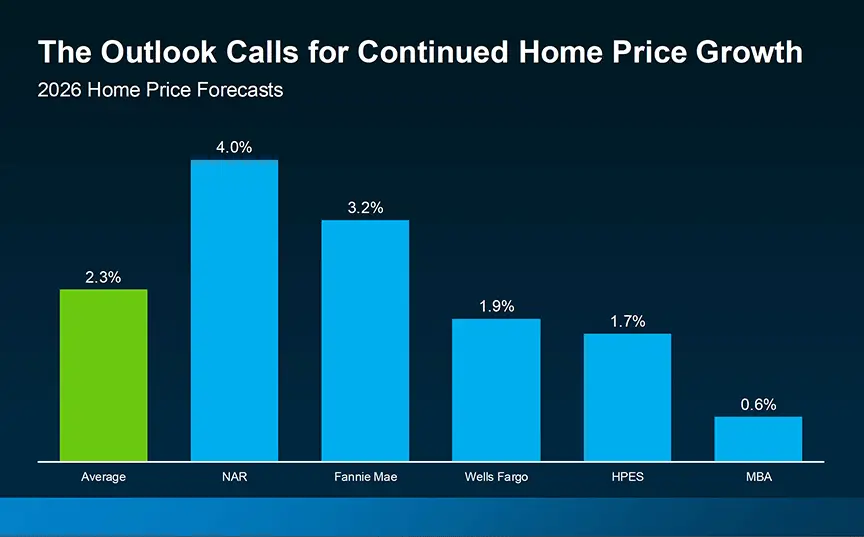
If you have been watching the national news, you might have heard dramatic rumors about an impending real estate crash or a massive market correction. Let me set the record straight right now: home prices are not crashing. In fact, economic forecasts anticipate national home prices to appreciate by about 2.3% this year.
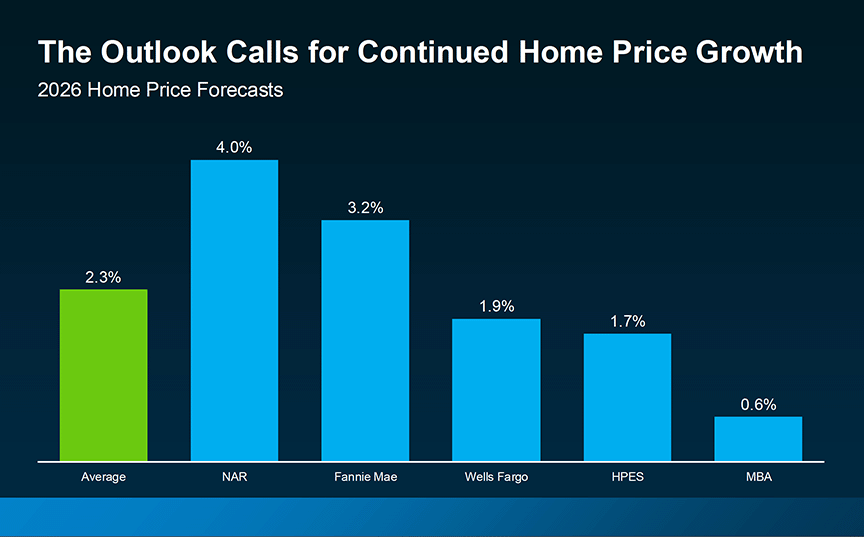
While that might seem somewhat modest compared to the frantic, double-digit surges we saw a few years ago, it represents a vital return to a healthy, sustainable market. Experts note that housing wealth accumulation will continue unabated. The typical homeowner is projected to gain approximately $16,000 in equity and wealth in 2026 alone.
Here in Colorado Springs, we continue to see robust, sustained demand. This is driven by constant military relocations, growing local industries, and the undeniable, magnetic appeal of our beautiful Colorado lifestyle. As a Military Relocation Professional (MRP), I see firsthand how transient and permanent populations consistently feed our local housing demand. Real estate remains one of the most reliable, inflation-resistant, long-term investments you can make. When you own a home, you are passively building wealth every single day. If you are a prospective buyer sitting on the sidelines waiting for prices to plummet, you may be missing out on vital equity growth that you can never get back.
The Surprising Connection Between Oil and Mortgage Rates
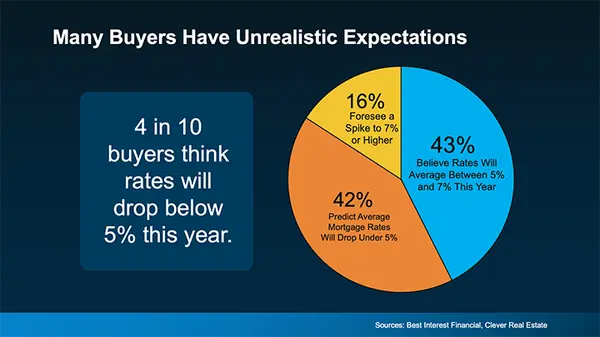
Interest rates are undeniably the most common topic of conversation I have with clients today. Currently, mortgage rates are expected to hover in the low-to-mid 6% range through the remainder of the year. However, there is an interesting and often overlooked trend we are watching closely as a leading indicator of where rates might head: the price of oil.
It might seem strange to look at the global energy sector when evaluating residential real estate, but the two are deeply interconnected. Here is exactly how it works:
- Lower energy costs reduce overall inflationary pressure: Everything we consume—from groceries to building materials—requires energy to produce and transport. When oil prices drop, the cost of goods and shipping drops, which effectively cools down the broader inflation rate.
- When inflation cools, the bond market reacts favorably: Mortgage rates are not directly set by the Federal Reserve; rather, they are closely tied to the 10-Year Treasury Yield. When inflation falls, bond yields drop, and mortgage rates typically follow.
- Historically, as oil prices drop, mortgage rates eventually follow suit: We have seen this exact pattern repeat during major economic cycles in 1999, 2005, and 2018.
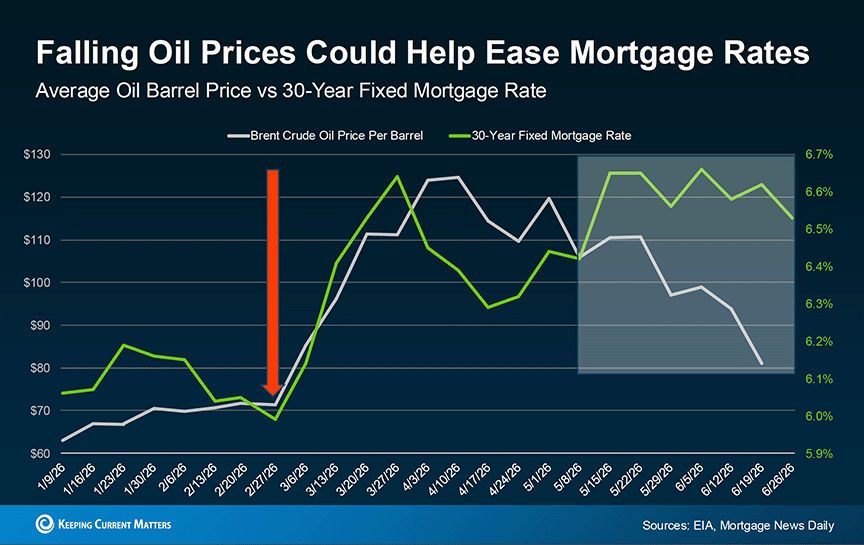
There is an old saying in the financial sector: "Rates take the elevator up and the stairs down." This means that while mortgage rates can spike overnight in response to bad economic news, they tend to drop slowly and methodically. Cooling inflation is a highly favorable sign for future mortgage rates. Buyers who purchase now can take advantage of slightly less competition, with the very real potential opportunity to refinance later if rates take a meaningful dip.
The "Expired Listing" Opportunity
One of the most telling statistics of the year revolves around the shifting dynamics for sellers. Over the last 12 months, 2.6 million home listings expired or were canceled nationally, leaving over 1.3 million sellers frustrated, fatigued, and without a sold home.
This is a staggering number, and it represents a significant opportunity—and a warning. Why do so many homes fail to sell in a market where inventory is still relatively low? It almost always comes down to a disconnect in three critical areas: price, presentation, and marketing strategy.
Many sellers enter the market clinging to pandemic-era expectations. They assume they can list their home slightly above market value, do minimal physical preparation, and receive multiple offers in a matter of days. When the market does not respond, the home sits, becomes stale, and eventually the listing expires.
If your home listing recently expired, do not give up on your goals. Data shows that when an expired listing is reintroduced to the market with a new agent and a fresh, data-backed approach, it often sells faster and closer to the asking price. It requires a sophisticated marketing plan, professional staging advice, and laser-accurate pricing. As a Certified Negotiation Expert (CNE) and a member of the Elite 25, I specialize in turning these frustrating situations into real estate success stories. It is about deploying a full suite of strategic planning, exceptional media, and savvy digital marketing to showcase your property properly on a local, national, and international level.
Strategic Advantages for Buyers and Sellers
As we navigate the second half of 2026, both buyers and sellers have distinct advantages if they are willing to approach the market strategically.
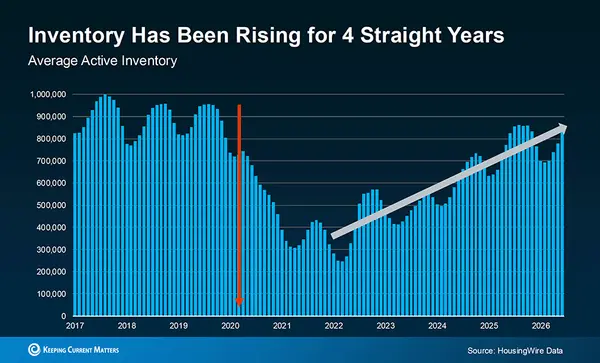
For Buyers: The current market offers a brief window of breathing room. Inventory has stabilized, meaning you have more homes to choose from and significantly more leverage during negotiations. Sellers who have had their homes on the market for a few weeks are often more willing to negotiate on price, closing costs, or essential repairs. With rates hovering in the 6% range, this is a prime opportunity to lock in a home and start building that projected $16,000 in annual equity.
For Sellers: The demand for well-priced, move-in-ready homes remains incredibly strong. While you might not be able to list your home in "as-is" condition and expect a bidding war, a carefully curated listing will still command top dollar. Partnering with a professional who understands how to highlight your home's absolute best features and market it aggressively is no longer optional; it is mandatory.
Looking Ahead to the Rest of 2026
The real estate market is constantly evolving, but the fundamentals of buying and selling remain exactly the same. It requires patience, strategy, and most importantly, the right guidance. The turbulence of the early 2020s has given way to a more balanced, traditional market where informed, objective decisions yield the best possible results.
Whether you are looking to buy a first home, sell a luxury estate, or explore investment properties here in Colorado Springs, I am here to help you navigate it all. With decades of experience and a steadfast commitment to providing concierge-level service, I pride myself on guiding my clients through every single step of the process with integrity, transparency, and expert negotiation.
If you are curious about what these macroeconomic shifts mean for your specific neighborhood, or if you want to know exactly what your home is worth in today's climate, let's connect. The second half of 2026 is full of incredible real estate opportunities, and I would be honored to help you seize yours.
Top Realtor, Marquesa Hobbs, is ready to help you whether you are buying or selling Real Estate!


cell 719.238.0330 office 719.536.4444
Categories
Recent Posts






GET MORE INFORMATION
